
How to Break In Goodfellow Leo Dress Shoes Without Blisters
New dress shoes often come with a trade-off: they look sharp, but the first few wears can leave your feet raw and blistered. The stiff leather and factory-fresh construction need time to mold to your foot’s unique shape.
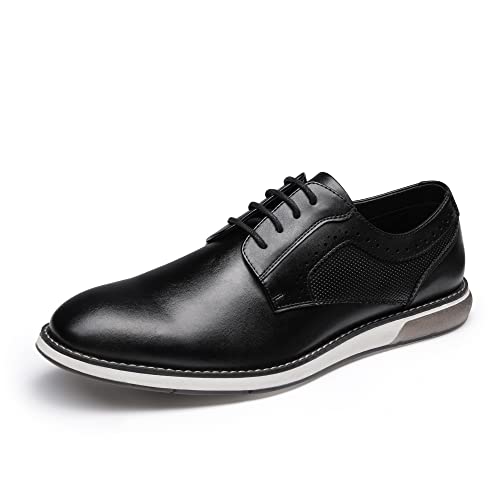
We designed our Leo dress shoes with full-grain leather uppers that soften beautifully once broken in, but even premium materials require a deliberate approach during those first weeks. This guide walks through the exact steps we recommend to break in dress shoes without the pain—stretching techniques, conditioning schedules, and smart wear habits that let the leather adapt to your foot instead of fighting it.

Wear Them in Short Sessions Before Your First Full Day
The single biggest mistake is wearing new dress shoes for an eight-hour workday right out of the box. Leather needs gradual stress to stretch without cracking, and your feet need time to identify pressure points before they turn into blisters.
Start with 30-minute sessions around the house—just long enough to feel where the shoe presses against your heel or pinches across the vamp. Remove them the moment you feel discomfort building. Repeat this daily for the first week, adding 15 minutes each session.
By the end of week one, you should be comfortable wearing them for two to three hours. Only then are they ready for a full day at the office or an event.
Use a Leather Conditioner to Speed Up the Softening Process
Factory leather arrives dry and stiff because tanneries prioritize shelf stability over immediate comfort. A quality leather conditioner reintroduces oils that make the fibers pliable, cutting your break-in time nearly in half.
Apply a thin layer of conditioner to the entire upper—heel counter, vamp, and quarters—using a soft cloth. Let it absorb for 20 minutes, then buff off any excess. Repeat this every three days during the first two weeks.
Conditioned leather stretches more easily under foot pressure and resists the micro-cracking that causes hot spots. We’ve found that owners who skip this step typically need twice as long to reach full comfort.
Target Specific Pressure Points with a Shoe Stretcher
Even after conditioning, certain areas—usually the toe box or the sides of the ball—may still feel tight. A two-way shoe stretcher with adjustable bunion plugs lets you expand those exact spots without over-stretching the rest of the shoe.
Insert the stretcher, turn the handle until you feel resistance, then leave it overnight. Remove it in the morning and try the shoes on; if the pressure persists, repeat the process for a second night.
Stretching Spray for Stubborn Areas
For localized tight spots that resist the stretcher alone, pair it with a leather-stretching spray. Saturate the problem area from the inside, insert the stretcher immediately, and let it sit for 24 hours. The spray temporarily softens the fibers so the stretcher can reshape them more effectively.
Protect Your Heels and Toes with the Right Socks and Inserts
Thin dress socks often create more friction than they prevent, especially during break-in. A slightly thicker cotton crew sock adds a cushion layer between your skin and the stiff heel counter, absorbing the rubbing that causes blisters.
Heel grips and padded insoles also redistribute pressure during the break-in phase. Stick a foam heel grip to the inside back of each shoe to prevent your heel from sliding up and down with each step—that motion is the direct cause of most heel blisters.
Once the leather has fully molded to your foot (usually after three to four weeks of regular wear), you can switch back to thinner dress socks if you prefer.

Alternate Between Two Pairs If Possible
Leather needs time to dry and recover its shape after a full day of wear. Wearing the same pair two days in a row doesn’t give the material a chance to release absorbed moisture, which keeps it soft and prone to continued stretching in the wrong places.
If you have a second pair of dress shoes—even an older pair you’ve already broken in—rotate them daily during the first month. This cuts your total break-in time because each pair gets 48 hours to rest between wears.
Insert shoe trees immediately after removing them each day. Cedar trees absorb moisture and maintain the shoe’s shape, preventing the heel counter from collapsing inward as it dries.
Breaking In Leos the Right Way Pays Off Long-Term
The discomfort of new dress shoes tempts many guys to rush the process or skip steps entirely, but those shortcuts lead to poorly-fitted shoes that never feel quite right. The Occupational Safety and Health Administration notes that improper footwear contributes to workplace discomfort and long-term foot problems—a reminder that taking the time to break in quality shoes properly protects more than just your immediate comfort.
Follow the gradual wear schedule, condition the leather consistently, and use targeted stretching where you need it. By week four, your Leos will feel custom-made for your feet—and they’ll stay comfortable for years of regular wear.
Common Questions About Breaking In New Dress Shoes
Most full-grain leather dress shoes take three to four weeks of regular wear to fully conform to your foot. That timeline assumes you’re wearing them every other day and conditioning the leather weekly.
If you skip conditioning or wear them only once a week, the process can stretch to two months or longer.
We strongly advise against water-soaking methods. While wet leather does stretch more easily, it also weakens the glue bonds in the sole construction and can leave permanent water stains on the upper.
The combination of conditioner, a shoe stretcher, and gradual wear achieves the same result without risking structural damage to the shoe.
Stop wearing the shoes immediately until the blister heals—continuing to wear them will only make it worse and delay the break-in process. Apply a hydrocolloid blister bandage to protect the area and promote faster healing.
Once healed, use a heel grip or moleskin padding over that exact spot inside the shoe before resuming wear. That prevents the same pressure point from causing a second blister.
The insole molds to your foot’s arch and metatarsal contours through regular wear—there’s no separate process required. If the factory insole feels too firm after four weeks, consider replacing it with a cushioned aftermarket insole.
Some dress shoes use a leather insole that softens significantly once broken in, while others use foam that compresses but doesn’t change shape as dramatically.
No—each new pair requires its own break-in period because the leather starts from the same factory-fresh state. However, you’ll already know which areas of your foot tend to develop pressure points, so you can preemptively stretch those zones with a shoe stretcher before your first wear.
That knowledge shortens the break-in process for future pairs even though the leather itself still needs time to soften.
Sizing up creates more problems than it solves. A shoe that’s too large will cause your foot to slide forward with each step, creating friction blisters on your toes and making the heel slip.
A proper fit feels snug when new—your toes should just brush the front of the toe box when standing. That snugness is what allows the leather to stretch and mold precisely to your foot’s shape during break-in.